
14 Jul 5 Questions to Ask Before Starting a Community Branding Project
When a community begins thinking about branding, the conversation often moves quickly to the most visible elements, things like logos, taglines, and color palettes. But a community brand is about far more than graphic design.
A successful community branding initiative begins long before the first design concept. It starts with a clear purpose, leadership buy-in, meaningful community engagement, and a commitment to carry the strategy forward into everyday decisions and experiences. The result is an authentic and distinctive brand that tells your story to the world and supports your community’s long-term aspirations.
Before issuing an RFP or starting the creative process, make sure you can answer these five important questions.
1. Why are we creating a community brand?
“It’s been 15 years since we updated our logo.” may explain the timing, but it doesn’t define the purpose.
A branding project should begin with a clear understanding of the challenges that the community is trying to solve or the aspirations it is trying to reach. These goals may include attracting investment, increasing visitor spending, strengthening resident pride, addressing misconceptions, or professionalizing municipal operations. Often, it is a combination of these and others.
Clarity of purpose allows you to define success, set benchmarks, and keep the conversation focused on how your community is understood and experienced, rather than debating design preferences.
2. Is leadership on board with branding?
Community branding is highly visible work, and it should be. It often involves public resources, public input, and decisions that attract public attention. Leadership support is critical, and involving key-decision makers and elected officials early is the best way to get their buy-in.
Elected officials, department heads, and key community leaders must understand why the project is happening and what a successful brand can support. When leaders view branding as a strategic investment rather than a design exercise, they are better equipped to explain its value and advocate for the work. Take the time to educate your leadership and keep them engaged at key milestones throughout the process.
3. Who should be involved in the process?
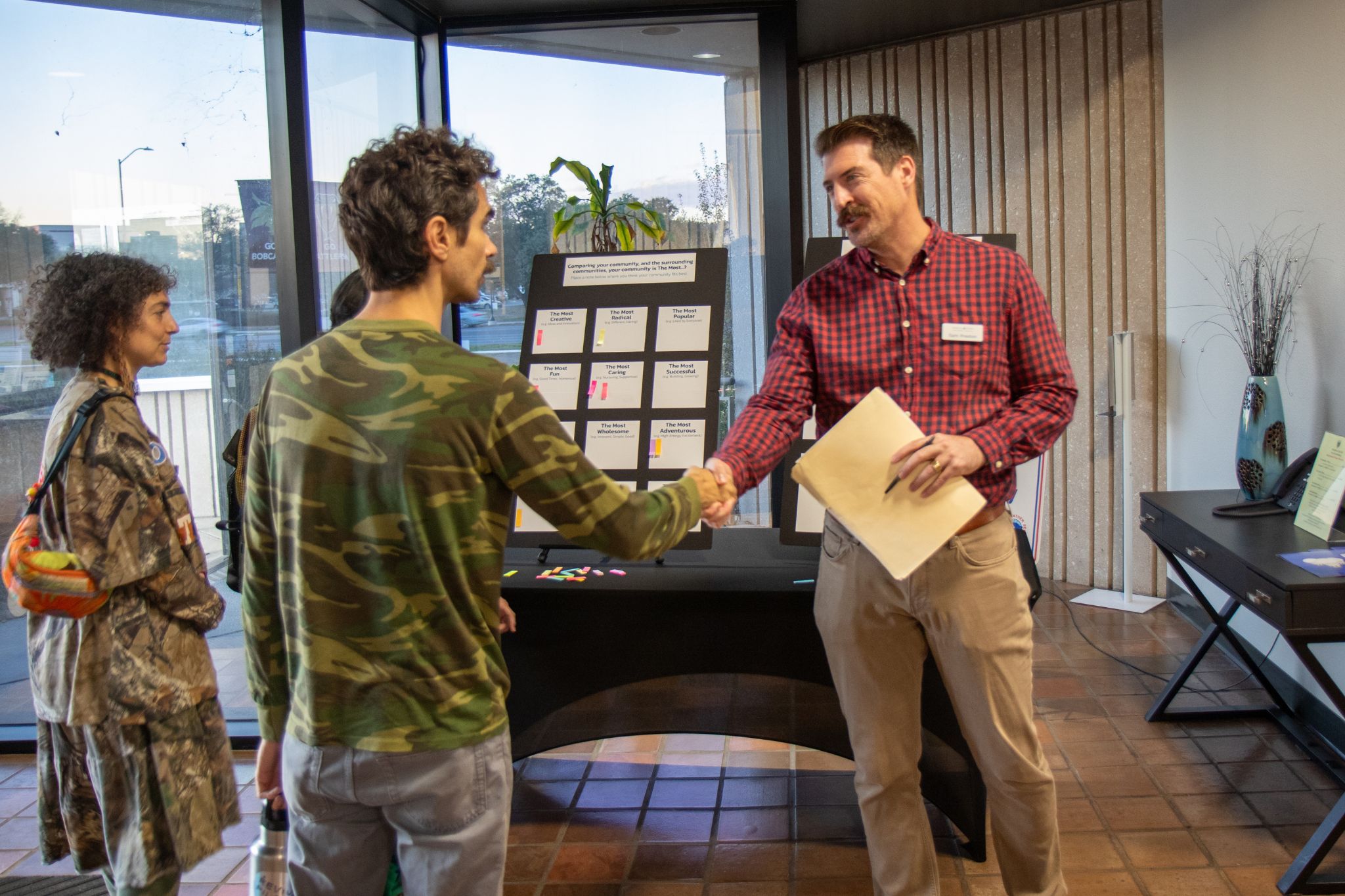
A community brand cannot be built in isolation behind the doors of city hall, an economic development office, or a tourism agency. The process requires active input from the people who experience, represent, and shape the community every day. Broad participation gives the project depth, authenticity, and credibility while revealing how the place is truly perceived and appreciated.
Community engagement also creates shared ownership. People naturally support a brand built on a strategy and a story that reflects their experiences and ideas. By inviting residents into the process, they become participants in the outcome rather than an audience waiting to judge a finished logo.
4. Are we willing to act on the brand?
A brand makes a promise about the kind of place people can expect to experience. That promise loses credibility when public decisions and everyday interactions tell a completely different story.
Acting on the brand means using the strategy as a lens for planning and decision making. Policies, public spaces, events, development priorities, and municipal service standards should all reflect the identity you are building. Residents, visitors, investors, and anyone who engages with the place and its people should encounter the same spirit in person that is at the core of the story you tell.
Aligning local government, tourism, economic development, and community organizations around a shared DNA creates a cohesive, impactful brand that becomes a natural part of daily community life.
5. Are we committed to the brand long term?
Completing brand development and launching the new identity is a major milestone, but it is really just the starting line. Budgetary realities often require a phased rollout, and true brand building takes time.
Community brands build value through repetition, consistency, and time. Recognition and understanding don’t happen overnight. These develop as the brand shows up across communications, public spaces, the built environment, community initiatives, and economic development efforts. Over time, your residents begin to see their own stories as a part of the larger community narrative.
This requires patience, investment, and importantly, stewardship. A community brand needs a dedicated owner. A person or group responsible for keeping momentum alive, providing resources, and tracking progress. Long-term stewardship protects your investment and gives the brand room to grow without losing what made it meaningful in the first place.
Is Your Community Ready?
A community brand can create a clearer story, stronger alignment, and new momentum across economic, civic, and tourism initiatives. But those outcomes depend on the foundation you build before creative design ever begins.
Answering these five questions up front will tell you if your community is ready to get the maximum return from a branding initiative.
Is your community considering a branding project? North Star can help get your team ready, educate your stakeholders, engage your community and build a strategy, story, and brand designed to create lasting value. Get in touch today to get started.