
15 Oct FAQ Series: How Can City Branding Connect A Physically Divided Community?
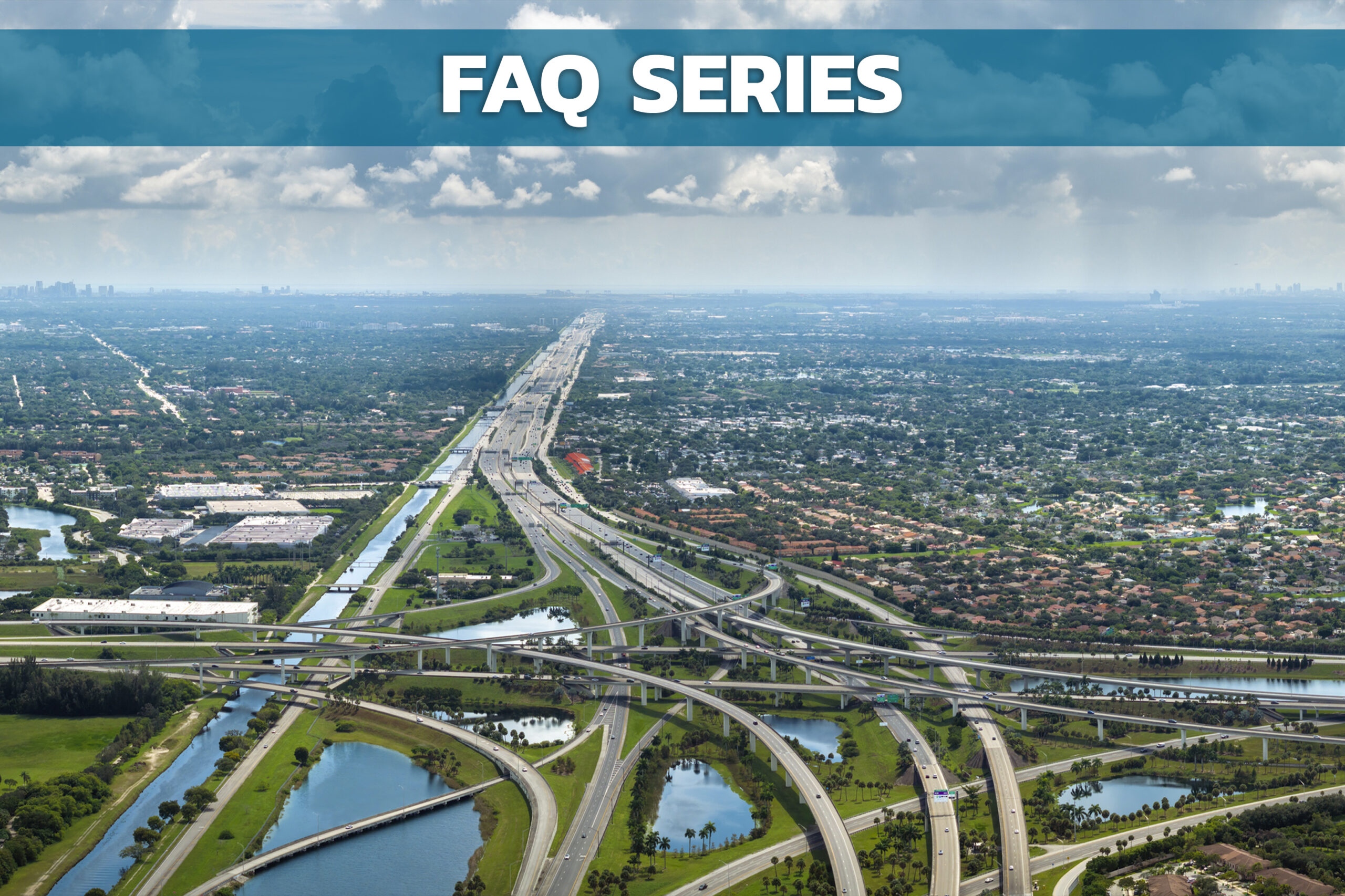
Many cities face a common challenge: physical infrastructure or geographic features that create a division within the community. Whether it is a multi-lane interstate, a railroad, a waterway, or another divider that splits the city, this is often more than merely a matter of geography. These divides can symbolize social, economic, and perceptual divides.
In a divided community, residents often talk about “the other side” as if it were a separate place altogether. They see each other as fundamentally different in a variety of ways rather than part of a greater whole.
For a place-branding initiative, the presence of these divides presents a great opportunity to promote unity, but it is not without risk. A unified brand created without acknowledging the divide, and a process that includes a concentrated community engagement effort that reaches both sides, can produce a result that feels superficial or mismatched to the lived experience of some in the community.
However, a carefully crafted brand offers an opportunity to foster cohesion, build cross-community identity, and reclaim the narrative of the whole place. This can be achieved by bringing the community into the branding process. Partnering with an expert in place branding and community engagement is the clearest path to reaching this goal.
An Inclusive Community Engagement Strategy
A successful place-branding initiative must begin with a solid community engagement plan that reaches across the entire community and prioritizes educating residents and, most importantly, listening to them.
When people on each “side” feel heard, respected, and represented, the foundation is set for a brand that genuinely connects. To make this happen, you have to meet people where they are. This means holding in-person sessions on both sides of the divide, engaging leaders across the community, offering multilingual opportunities for input, and more. Your community’s unique circumstances should shape your community engagement plan.
Crafting a Unified Brand Story
What emerges from the process is often surprising to some. While each side may have distinct histories, cultures, or demographics, residents frequently share more values than they expect: pride in local assets, frustration with long-standing divides, and common hopes for the city’s future. A strong place brand identifies and gathers these shared ideas and uses them as a foundation for a unified story.
A unified brand doesn’t disregard hyperlocal character; it distills it to its most ownable essence. The brand story supports and recognizes that different areas contribute distinct strengths. One area may hold the creative energy and historic character of a place, while another offers access to natural spaces or the convenience of a retail corridor. A strong brand delivers the idea that this unique blend occurs only in this place, and that is fundamental to what makes it unique.
Telling the Brand Story Through Activation
Once you have developed a place brand that is rooted in the essence of the entirety of the community, you have to get it off the page and into the environment. Brand activation is where connection becomes tangible. That might include shared festivals held in spaces that welcome both sides, wayfinding that encourages movement across the dividing line, or new, branded public art that repositions the divide as a shared landmark. When residents see the brand reflected in places they know and experience in their everyday lives, it starts to become a part of their story and connects them to the whole in new ways.
The Importance of Long-Term Commitment
It is important to remember that the work of building place branding doesn’t end with brand launch. A divided community doesn’t become united through branding and messaging alone. It requires ongoing cultivation and investment. The brand and the research behind it should serve as a lens for decision-making, testing to see if policies or programs continue to support the brand’s unified essence.
When a city commits to building long-term alignment, the benefits run deeper than marketing. Identity becomes something residents participate in and are proud of, not something that they are disconnected from. This opens the door for residents to begin to see each other differently—viewing the “people over there” instead as valued neighbors, collaborators, and contributors to a shared place.
Cities can’t always move rivers or highways, or other barriers. But they can change perceptions. A brand built around the stories of every “side” of town and put to work across the community is a great way to build an identity that every resident can be proud of.